Explore Shun Education
Product Insights
Dual Core: Sharpness Redefined
Knife Knowledge
Damascus, Tsuchime & San Mai Edge
What Is a Utility Knife and What Is It For?
Use & Maintenance
Caring for Your Japanese Knives
Recipes
Blog
Why Shun Knives Feel So Different
Knife Anatomy and the Perfect Chef’s Grip
Essential Knife Cuts Every Home Chef Should Master
Knife Techniques for Everyday Ingredients
25 Years of Craft, Honed by Hand: Chef Avery Hardin of Layers
SHUN CUTLERY BLOG: KNIFE KNOWLEDGE
Japanese vs Western Knives: Which Style Fits You Best?
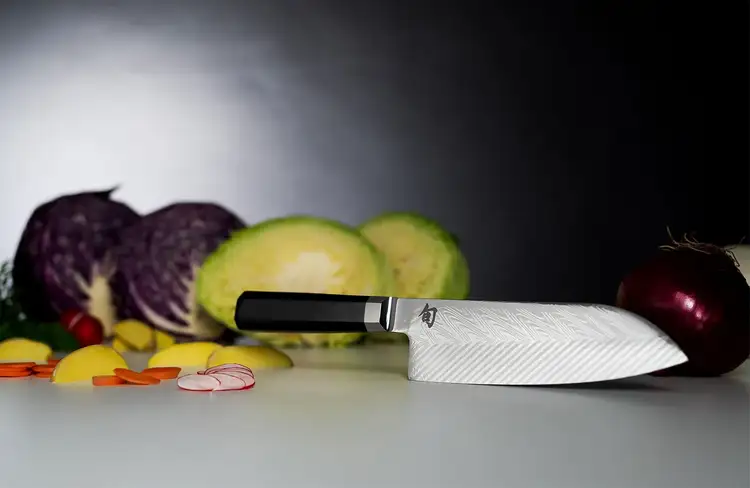
Dual Core 7" Santoku
Dual Core 7" Santoku
Japanese and Western knives have fundamental differences, including the materials used, the method of construction, and their intended use. Neither knife is better than the other, but each cook will have a preference based on their kitchen habits. Rather than being in competition, these styles complement each other due to their differences. However, it is important to understand how each style effects everyday use so you can make the right choice for your kitchen.
Key Takeaways
- Japanese knives are usually lighter, thinner, and designed for precision-focused cutting.
- Western knives are often associated with a heavier feel and a more rugged reputation.
- The right knife depends on your cutting style, maintenance expectations, and the ingredients you prepare most often.
- The differences between Japanese and Western knives become clearer when considering how each performs in the kitchen.
Japanese vs Western Knives at a Glance
Japanese and Western knives are known for exceptional cutlery craftsmanship. Neither knife is better than the other, but there are several factors to consider when deciding between a Japanese knife and a Western knife. The main factors to consider when comparing these knives are the ingredients you use, your dedication to maintenance, and your personal preferences for weight and feel.
Japanese Knives
Japanese knives are known for their precision cutting and lightweight feel. The lighter feel of these knives is due to the thin blade, narrow edge, and the agile handle material. The harder steel makes the blade less flexible, and therefore, allows for a thinner blade with narrow construction. These blades are generally sharpened to about 15º on each side. This thin construction is complementary for precision cutting but puts it at more risk for breakage and rusting with improper use and care. The wooden handles often used in Japanese knives allow them to be more blade heavy, allowing the knife to excel at precision cutting with ease.
Pros
- Sharper
- Longer edge retention
- Less force needed
- Precise cuts
- Preserves cellular structure
Cons
- Hard and fragile blade
- More likely to rust without proper care
- Requires intentional care
- Harder to sharpen
Western Knives
Western knives are known for their durability and use for tasks that benefit from a sturdier blade. The steel used in these knives is generally softer and more flexible, making it harder to make as thin as a Japanese knife. These blades are generally sharpened to about 20º on each side. While the thicker blade is less ideal for precision cutting, its flexibility and lower carbon content makes the knife more durable and less prone to rusting. Western knives also generally use full-tang construction and substantial handles, contributing to the heavier knife structure. These handle materials also reinforce the durability Western knives are known for.
Pros
- Robust and flexible
- Less likely to rust
- Easy to sharpen
- Requires less care
Cons
- Needs to be sharpened more often
- Less precise cuts
- More likely to degrade cellular structure
What Handcrafted Means in the Shun Experience
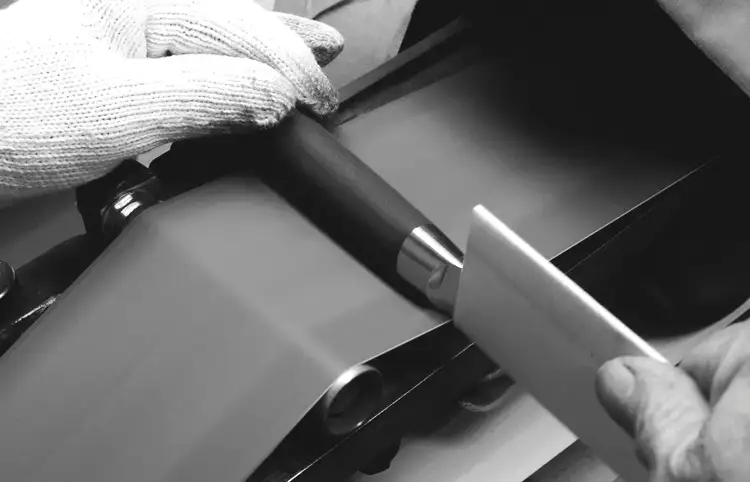
How a Japanese Knife and Western Knife Differ in Everyday Use
Edge Angle and Sharpness
The different steel types used for Japanese and Western knives play a large role in how the blade is sharpened. Japanese knives tend to use harder steels, which makes the blade less flexible. This lack of flexibility allows the blade to be sharpened at a narrower angle of 15º.
In contrast, Western knives are typically sharpened at a wider angle of about 20º due to their softer, more flexible steel. Because a Western knife tends to be thicker than Japanese knives, the wider edge generally favors durability over precision cutting. The edge angle plays an important role in cutting precision.
Weight, Feel, and Control
Due to the materials used, Japanese knives generally feel lighter in hand than Western knives. The sharpness and lightness of the blade come together to make it easier and less tiring for chefs to slice and dice during lengthy kitchen prep.
Western knives tend to have a thicker blade and therefore a heavier feel, which is preferable for some cooks. The heaviness can feel more familiar and provide more control to those who are not used to the thinner blade.
Neither knife is better than the other, but the better choice varies from chef to chef. Some cooks favor agility, while others prefer the confidence of a more substantial knife.
Cutting Style: Rocking vs Push Cutting
Care, Mainenance, and Durability Expectations
While Japanese knives are an excellent choice for precision cutting, the thin and hard blade make them more difficult to maintain. Although these knives require more intentional care, they are not impractical for everyday cooking. With the proper care and technique, a quality Japanese knife can provide years of reliable use.
Western knives tend to be more durable but need to be sharpened more often. Their softer steel may dull faster, but it is generally easier to sharpen when the edge needs attention. This more robust construction also makes Western knives a practical choice for tougher kitchen tasks.
These differences become most useful when considered alongside your own cutting style and maintenance preferences.
Which Knife is Best For You?
Versatility depends on the cook.
Choose a Japanese Knife if You Prefer
- Lighter feel
- Precision slicing
- Refined cutting performance
- A more agile knife in daily prep
- Cooking with more delicate ingredients
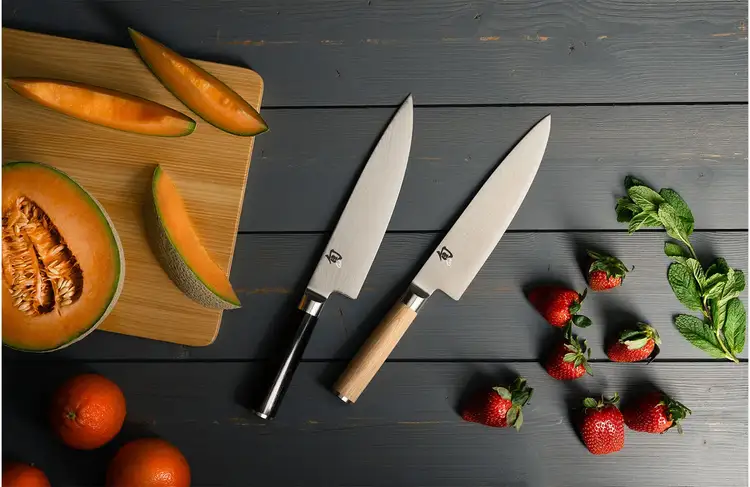
Classic and Classic Blonde 8" Chef's Knife
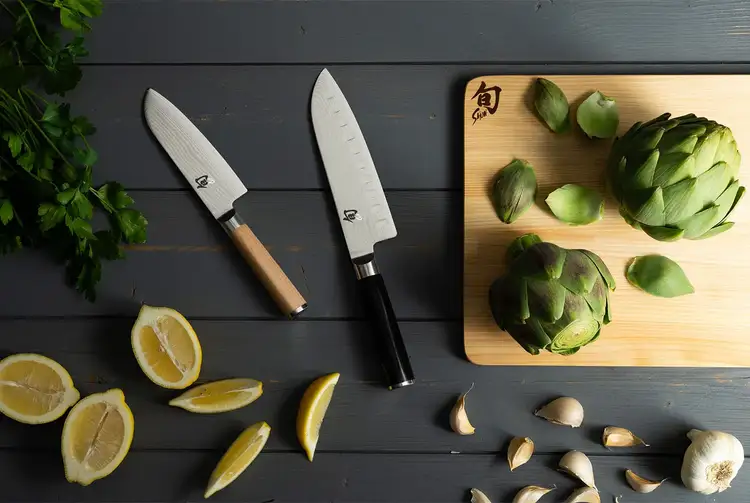
Classic Blonde 5.5" Santoku and Classic 7" Hollow Ground Santoku
Choose a Western Knife if You Prefer
- Heavier feel
- Familiar all-purpose heft
- A style often associated with ruggedness and durability
- Cooking with heavier-duty ingredients
For many home cooks, either knife can serve as the primary all-purpose blade. The better question is not which is more versatile in theory. It is which feels more versatile in your own kitchen.
Best Shun Options for Shoppers Comparing Japanese and Western Knives
Sometimes the best gift is not a set at all, but one exceptional knife.
For many cooks, that means a Chef’s knife: the knife they will reach for most often, and the one that shapes so much of their daily experience in the kitchen. A well-chosen Chef’s knife can feel both practical and deeply personal, especially for someone who values craftsmanship and cooks often.
This can be an especially good option when you want the gift to feel refined, useful, and uncomplicated. Rather than dividing the budget across multiple pieces, you are choosing one knife with real presence and everyday value.
If you are not sure which profile is the best fit, our quiz can help guide you to the right Chef’s knife based on how the recipient cooks.
Classic 8" Chef's Knife
The Classic 8” Chef’s knife embodies a Western blade shape with agile Japanese construction. With a 16º edge, it is razor sharp and built to be long-lasting. This all-purpose blade is the workhorse of the kitchen and can handle a wide range of everyday ingredients.
This is a well-suited knife for cooks who prefer the rocking cut of a Western blade but enjoy the lightweight feel of a Japanese knife.
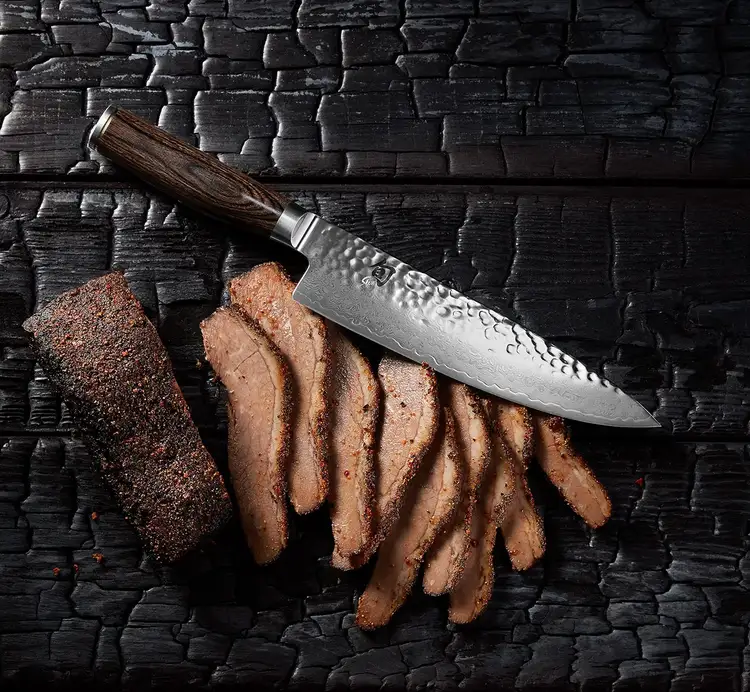
Premier 8" Chef's Knife
Classic 8" Western Cook's Knife
A Western Cook’s knife is designed for cooks who want a sturdier all-purpose option, particularly for heavier, denser foods. With a thicker geometry and a 22° edge rather than Shun’s more typical 16° edge, it is built to offer additional strength.
That makes it a smart choice for cooks who regularly work through heartier ingredients and want the familiarity of a Western-style all-purpose knife with Shun craftsmanship behind it.
Frequently Asked Questions
Are Japanese knives better than Western knives?
Neither style is better than the other. Instead, each style offers advantages for different types of prep. Japanese knives are well-suited for delicate and time-consuming cutting tasks, while Western knives are more suited for denser ingredients.
Are Japanese knives sharper than Western knives?
Japanese knives tend to have more acute edge angles, which support precise, clean cutting.
Which is better for home cooks?
Both Western and Japanese knives have a place in the kitchen for home cooks. The best choice for each individual cook depends on their preferences for cutting style, maintenance expectations, and the ingredients used more often.
Are Japanese knives harder to care for?
Japanese knives generally require more intentional maintenance due to their thin, hard blades. They are more prone to rust and chipping than Western blades if not properly cared for. Learn more about caring for your Japanese knives.
Are Japanese knives harder to care for?
Japanese knives generally require more intentional maintenance due to their thin, hard blades. They are more prone to rust and chipping than Western blades if not properly cared for. Learn more about caring for your Japanese knives.
Recent Articles
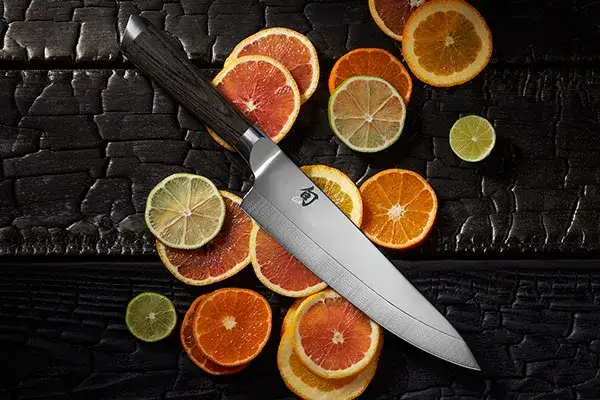
NEWS AND ANNOUNCEMENTS | Shun Kagerou Honored with 2025 Red Dot Award for Product Design
The Shun Kagerou 8" Chef Knife has just received a 2025 Red Dot Award for Product Design. See what sets this exclusive, limited-edition knife apart from the rest.
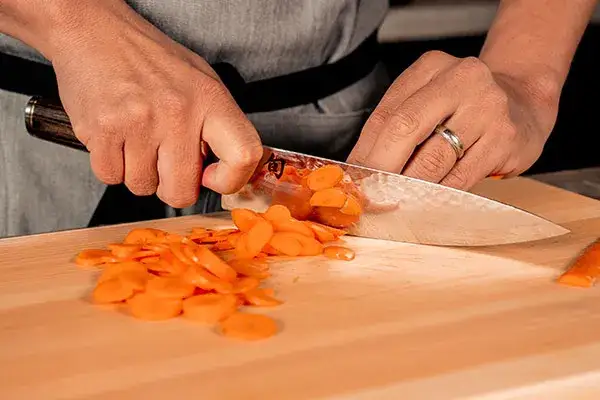
KNIFE KNOWLEDGE | Shun 101 Part 1: Why Shun Knives Feel So Different
Discover why Shun knives stand apart through centuries of Japanese craftsmanship, superior steel, and precision engineering. This article explores what makes Shun knives lighter, sharper, and more intuitive for effortless, elevated cooking every day.
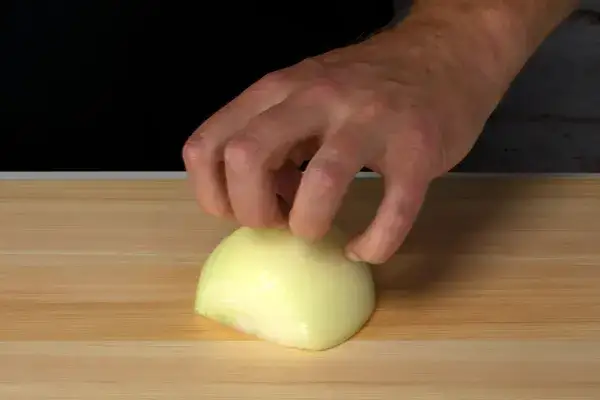
KNIFE KNOWLEDGE | Shun 101 Part 2: Knife Anatomy and the Perfect Chef’s Grip
Learn the anatomy of a Shun knife and how to hold it like a pro. This guide covers each part of the knife and demonstrates the chef’s grip, giving you better control, comfort, and cutting precision in the kitchen.
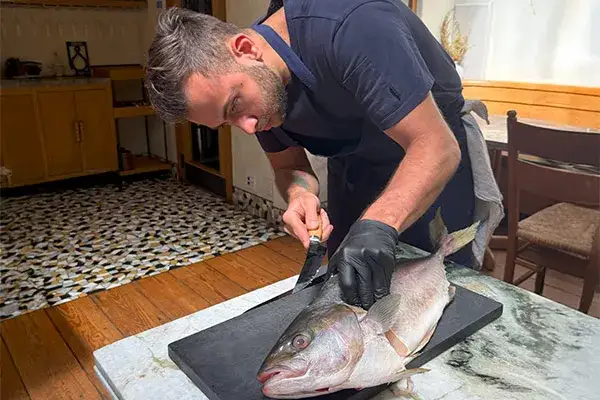
BEHIND THE BLADE | From Brazil to Brooklyn: A Culinary Conversation with Chef Vitor Mendes
Chef Vitor Mendes shares his journey from Brazil to Brooklyn, his love for culinary craftsmanship, and how meaningful tools—like a great knife—help him express creativity and honor the flavors of the Amazon.
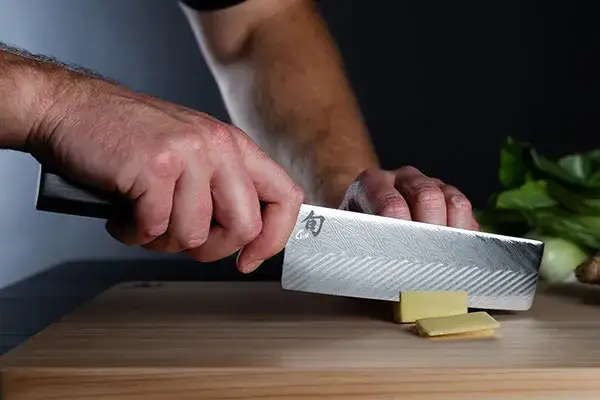
KNIFE KNOWLEDGE | Shun 101 Part 3: Essential Knife Cuts Every Home Chef Should Master
Mastering a few core knife cuts can transform your time in the kitchen. Whether you're prepping for a quick weeknight stir-fry or plating a dish with precision, the right cut enhances both flavor and presentation. With a Shun knife in hand, you’ll find each movement smoother, sharper, and more satisfying.
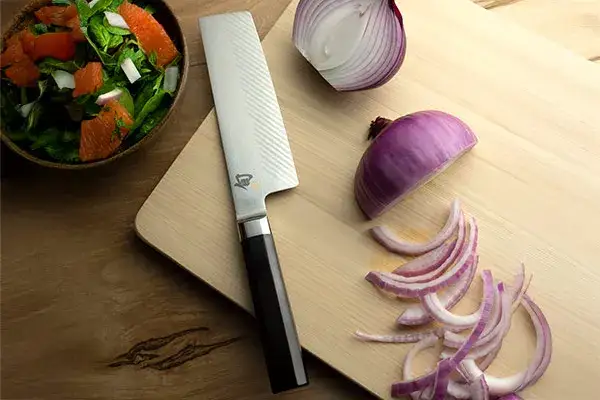
KNIFE KNOWLEDGE | Shun 101 Part 4: Knife Techniques for Everyday Ingredients
Learn essential cutting techniques for common kitchen staples like onions, bell peppers, and broccoli. This guide walks you through simple, effective steps to prep vegetables with confidence—using the right Shun knife for the job.
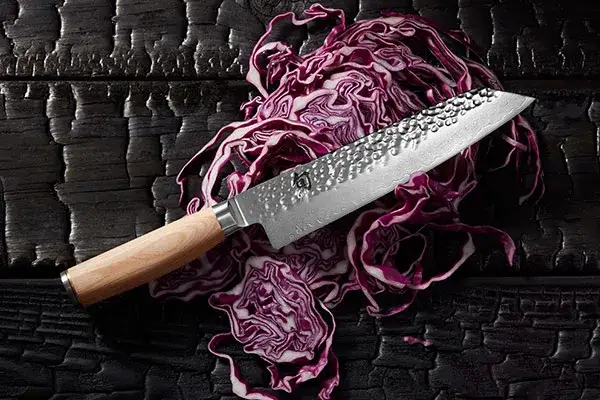
KNIFE KNOWLEDGE | Know Your Knife: Mastering the Kiritsuke Knife
Discover the story behind the kiritsuke—its heritage, purpose, and what sets each Shun version apart. Precision, tradition, and performance come together in this iconic blade.