Explore Shun Education
Product Insights
Dual Core: Sharpness Redefined
Knife Knowledge
Damascus, Tsuchime & San Mai Edge
What Is a Utility Knife and What Is It For?
Use & Maintenance
Caring for Your Japanese Knives
Recipes
Blog
Why Shun Knives Feel So Different
Knife Anatomy and the Perfect Chef’s Grip
Essential Knife Cuts Every Home Chef Should Master
Knife Techniques for Everyday Ingredients
25 Years of Craft, Honed by Hand: Chef Avery Hardin of Layers
SHUN CUTLERY BLOG: KNIFE KNOWLEDGE
How Seki City Craftsmanship Shapes the Shun Knife Experience
If you’ve ever picked up a Shun knife, you’ve likely felt something different. There's an elegant balance, a featherlight touch, and a sense of control that almost feels intuitive. That’s no accident. Shun knives are crafted to redefine your cutting experience from the very first slice.

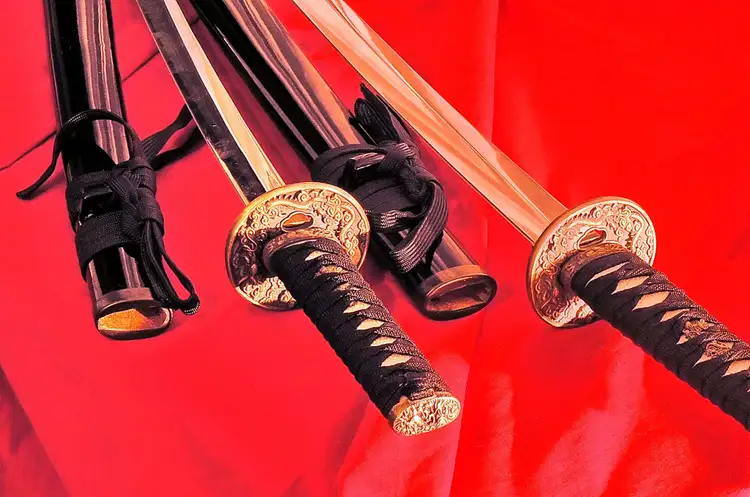
Shun's main production facility is located in Seki City, "the City of Blades." It has been a renowned site for blacksmithing and cutlery production for hundreds of years. The history of Japanese knife craftsmanship is closely linked with the city's centuries-old swordsmithing tradition. The spirit of sword-making helped shape Seki City's evolution into modern cutlery production. While Shun continues to innovate with premium materials and designs, the heritage of ancient Japanese smithing techniques remains central to the process.
Key Takeaways
- Shun's approach pairs generations of Seki blade-making expertise with modern materials and techniques.
- Processes such as precision edge sharpening and tsuchime finishing demonstrate how craftsmanship translates into visible and functional details.
- Careful finishing and construction give enthusiasts details to appreciate beyond basic function.
- A knife's origin and craft can add another dimension to the appreciation of the finished piece.
The Story Behind Seki City Craftsmanship
What Handcrafted Means in the Shun Experience
Craftsmanship Details that Set Shun Apart
Precision Edge Sharpening
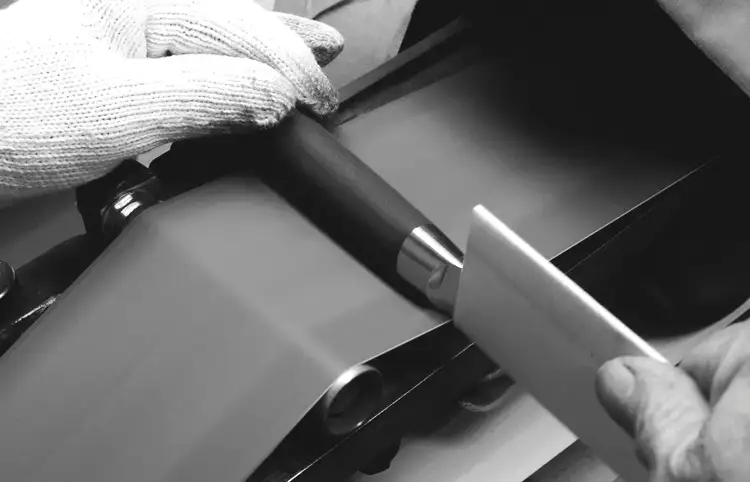
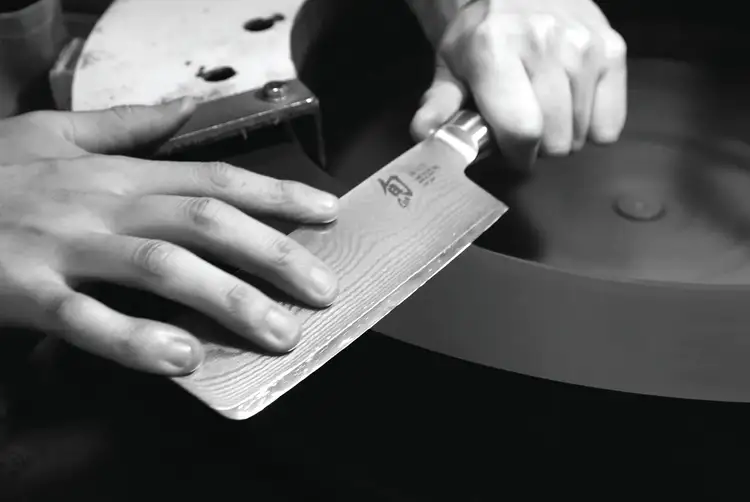
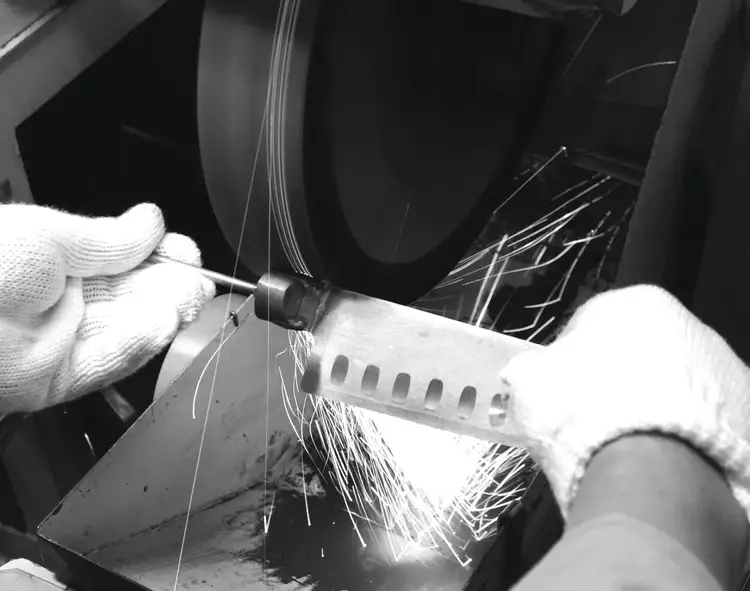
Shun uses wet-type blade edging as part of its precision sharpening process. The water-cooled process helps limit friction heat while improving the smoothness of the finished edge. This is achieved by continuously applying water to the whetstone as the edge is ground. The specialized sharpening method reserved for a small number of highly experienced craftspeople. The technique demonstrates where experience and human judgment remain essential to production.
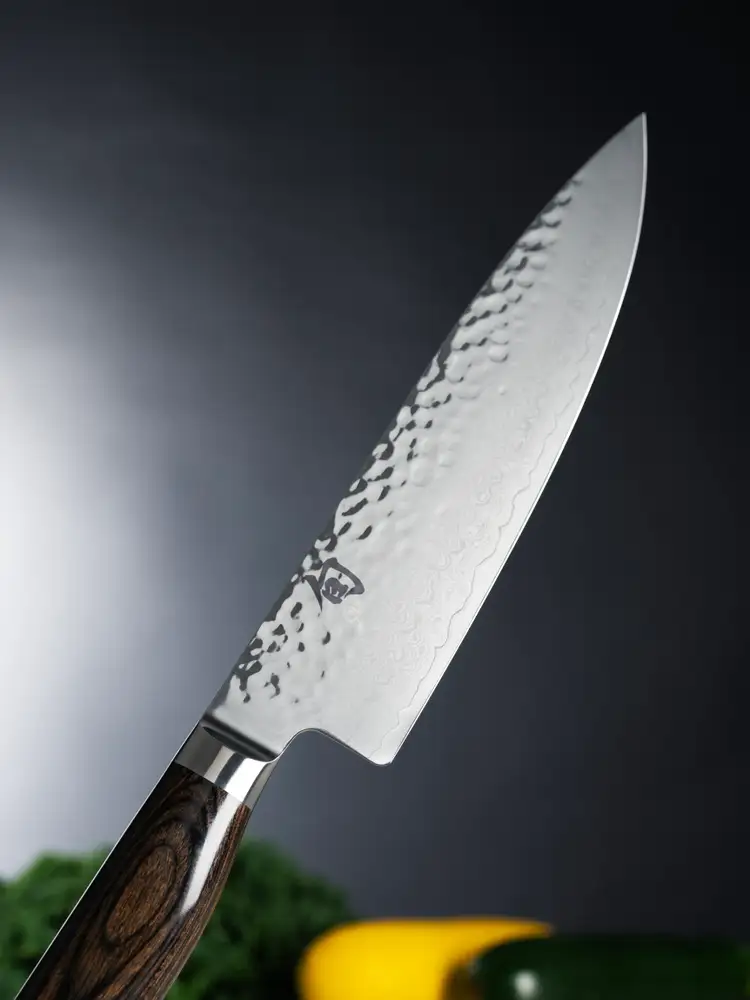
Premier 8" Chef's Knife
Tsuchime Finishing
The Shun Premier line features a distinctive finish called tsuchime. Beyond its visual character, the hand-hammered surface helps food release more readily. Tsuchime also offers extra protection and support for Shun's thin blades. The result gives Premier its distinctive appearance while serving a practical role in the blade's design.
Materials, Finishing, and Construction
Shun's premium material selection extends beyond the blade, with careful consideration given to both blade steel and handle materials. Material selection is only one part of the equation; careful construction and finishing bring their qualities into the completed knife. Together, each step create the balance of performance, comfort, and visual refinement that defines the Shun experience.
How Craftsmanship Changes the Ownership Experience
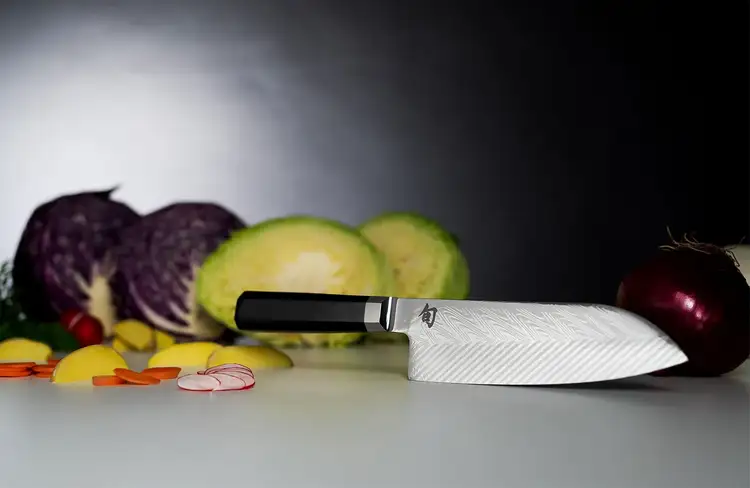
Dual Core 7" Santoku
Why the Craft Story Matters
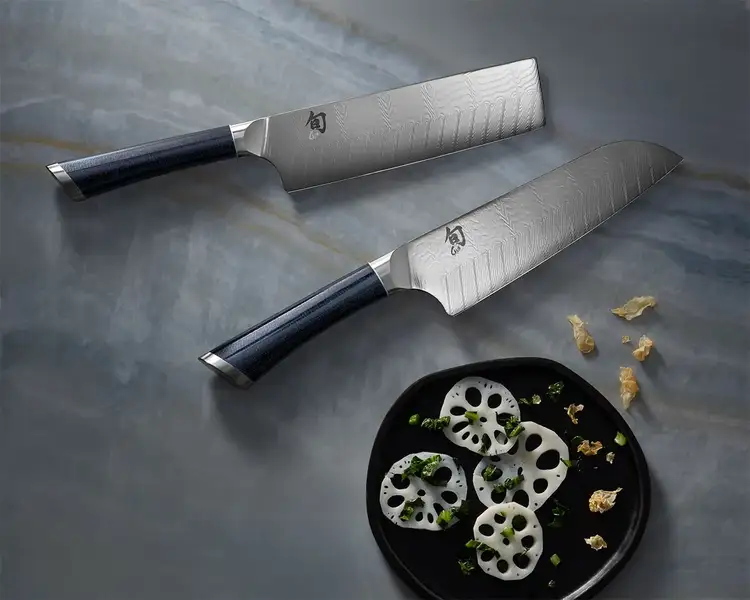
Shiranami 6.5" Nakiri and 7" Santo
Frequently Asked Questions
What makes Seki City important in knife making?
Seki City has been an important center of Japanese blade-making for more than 700 years. Generations of blade-making knowledge later helped shape the city's modern cutlery industry.
What does handcrafted mean for Shun knives?
Over 80% of the knife-making process is done by hand. The only processes carried out by modern machinery are laser cutting and thermal processing.
How are Shun knife edges sharpened?
Wet-type blade edging is used as part of Shun's precision sharpening process. A steady flow of water cools the whetstone as an experienced sharpener forms the edge.
What is tsuchime on a knife?
Tsuchime finishing is a hand-hammered process that assists with food release and strengthens the thin blade. The uneven texture of tsuchime allows for the suction of food to the blade to be broken.
Why do collectors care where a knife is made?
Origin helps collectors understand the craft, tradition, and manufacturing choices behind a knife. Collectors may value that history alongside materials, construction, performance, and rarity.
What makes a premium Japanese knife different?
Japanese knives generally use harder steel, which is lighter and more fragile than Western knives. These knives layer softer and harder steel to ensure the strength of the blade and the precision of the cut while allowing the blade to remain very thin.
Why does origin matter in cutlery?
The origins of techniques matter to understand why certain methods are used to produce cutlery. Japan's history with the production of Samarai swords reflects the careful craftsmanship that remains today.
Recent Articles
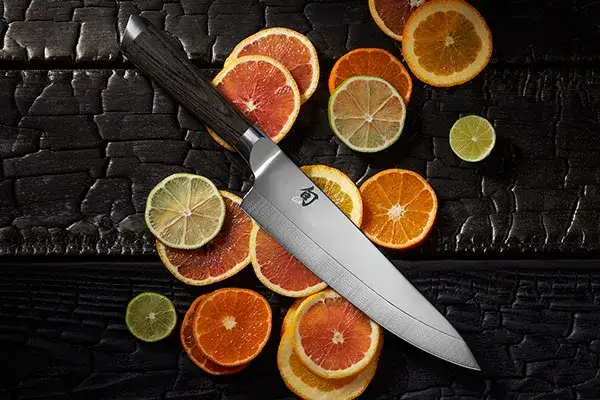
NEWS AND ANNOUNCEMENTS | Shun Kagerou Honored with 2025 Red Dot Award for Product Design
The Shun Kagerou 8" Chef Knife has just received a 2025 Red Dot Award for Product Design. See what sets this exclusive, limited-edition knife apart from the rest.
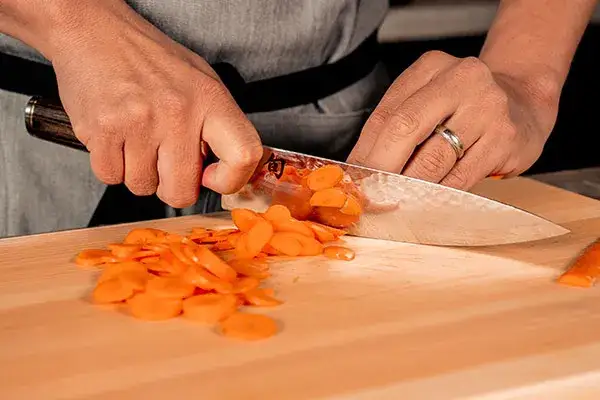
KNIFE KNOWLEDGE | Shun 101 Part 1: Why Shun Knives Feel So Different
Discover why Shun knives stand apart through centuries of Japanese craftsmanship, superior steel, and precision engineering. This article explores what makes Shun knives lighter, sharper, and more intuitive for effortless, elevated cooking every day.
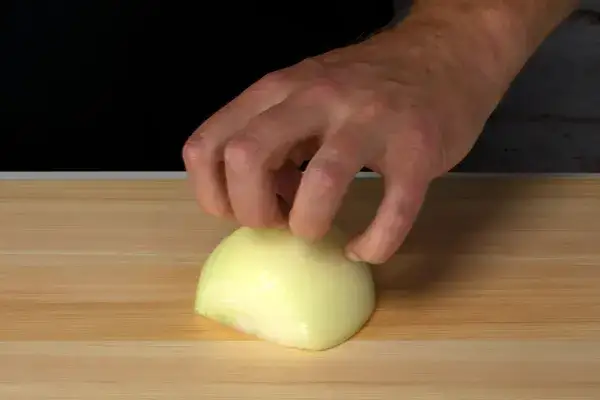
KNIFE KNOWLEDGE | Shun 101 Part 2: Knife Anatomy and the Perfect Chef’s Grip
Learn the anatomy of a Shun knife and how to hold it like a pro. This guide covers each part of the knife and demonstrates the chef’s grip, giving you better control, comfort, and cutting precision in the kitchen.
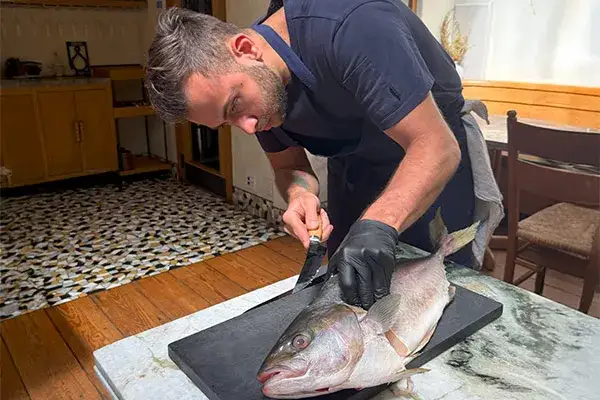
BEHIND THE BLADE | From Brazil to Brooklyn: A Culinary Conversation with Chef Vitor Mendes
Chef Vitor Mendes shares his journey from Brazil to Brooklyn, his love for culinary craftsmanship, and how meaningful tools—like a great knife—help him express creativity and honor the flavors of the Amazon.
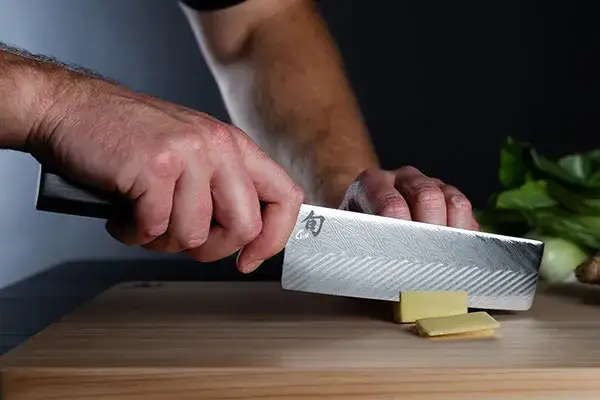
KNIFE KNOWLEDGE | Shun 101 Part 3: Essential Knife Cuts Every Home Chef Should Master
Mastering a few core knife cuts can transform your time in the kitchen. Whether you're prepping for a quick weeknight stir-fry or plating a dish with precision, the right cut enhances both flavor and presentation. With a Shun knife in hand, you’ll find each movement smoother, sharper, and more satisfying.
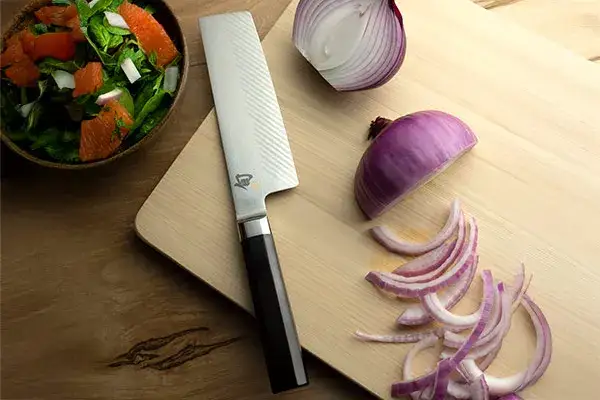
KNIFE KNOWLEDGE | Shun 101 Part 4: Knife Techniques for Everyday Ingredients
Learn essential cutting techniques for common kitchen staples like onions, bell peppers, and broccoli. This guide walks you through simple, effective steps to prep vegetables with confidence—using the right Shun knife for the job.
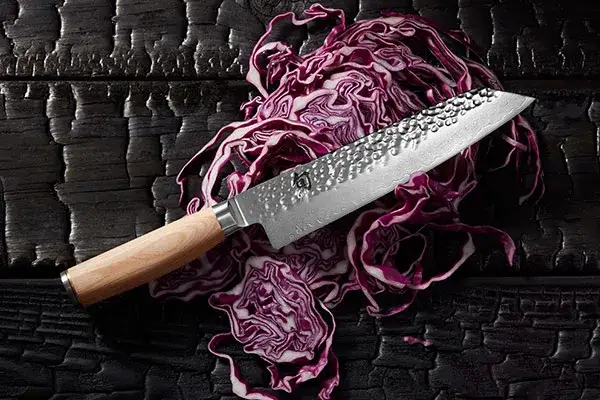
KNIFE KNOWLEDGE | Know Your Knife: Mastering the Kiritsuke Knife
Discover the story behind the kiritsuke—its heritage, purpose, and what sets each Shun version apart. Precision, tradition, and performance come together in this iconic blade.